
Tooth Extraction
What Is Tooth Extraction?
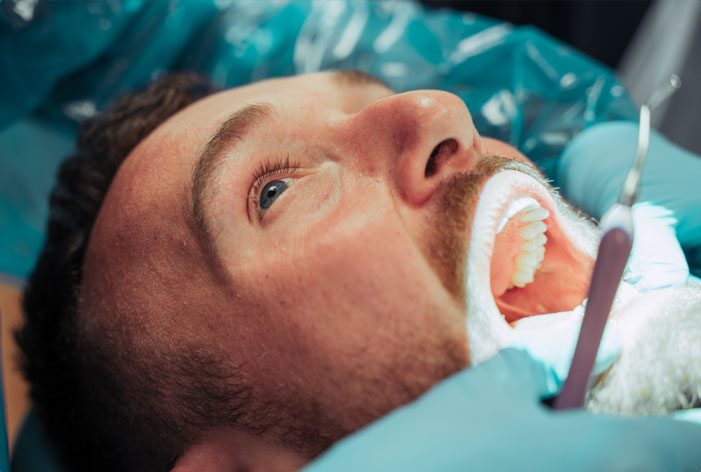
As we mentioned above, getting a tooth pulled in the 21st century is far from what it used to be. Nowadays, we use either numbing local anesthetic or sedation to ensure that you feel absolutely no pain during your procedure. Once you are number, tooth removal can actually be only a matter of a few minutes, depending on the tooth you need taken out. Wisdom teeth extraction can sometimes take a little longer, as the teeth may still be beneath the gums or in unusual positions.
After your tooth extraction, you can return home the same day. However, you will need someone to drive you if you had any kind of sedation. Even if you did not, having someone drive you can still be a good idea so you aren’t distracted by lingering numbness or any soreness. Speaking of, there can be some soreness, stiffness, swelling, and bleeding at the site of the extraction. However, these are normal and can clear up in a matter of a few days most of the time. Some lingering swelling and stiffness can take a bit longer to go away.
- Severe tooth pain?
- Persistent jaw pain or stiffness?
- Visible gum disease (or history of gum disease)?
- Gums that are significantly swollen or discolored around a tooth?
- Bleeding from gums around a tooth?
- Severely decayed or damaged teeth?
Wisdom Teeth Removal
Your wisdom teeth, or final molars, often do not have enough room to grow in. Even if they erupt, they can cause issues like crowding or tooth decay (due to being hard to properly clean). When your wisdom teeth pose an issue, the best solution can often be to remove them. Like tooth extraction, wisdom teeth removal involves a pain-free process that removes the teeth and preserves your oral health.
Who Needs Wisdom Teeth Removal?
If you think you need a root canal, we strongly recommend you call our office or use our online form to set up your appointment today. In a case where the infection might be considered an emergency, we even offer patients the option for same-day emergency dentist appointments. In any case, the sooner you come in for treatment, the better your results can be. Contact us today to schedule your appointment and give your smile the premium care and treatment it deserves.
FAQ
How long is the recovery?
Recovery times will mostly depend on procedure complexity and your age. Simple extractions tend to involve minimal swelling with a rapid recovery over a few days. Complex extractions (like impacted wisdom teeth removal) can take a few days to over 1 week. While full recovery can take some time, you can return to most activities before that point. A couple of days off from work or school are usually all you will need.
We provide individualized post-extraction instructions based on your situation. These usually include:
- Using over-the-counter pain medication to manage discomfort
- Avoiding strenuous activity, smoking, and straws for up to 72 hours
- Eating only soft foods
- Rinsing gently but NOT swishing
What is dry socket, and how can I avoid it?
Dry socket occurs when the blood clot that forms in the extraction site becomes dislodged. This can expose the interior (nerves and bone) to bacteria and prevent healing. It’s not fun. The good news is that following your post-extraction instructions carefully should prevent it from happening.
How much does tooth extraction cost?
Extraction costs reflect the procedure’s complexity, with simple extractions costing less than complex ones. The final cost will depend on elements like:
- X-rays and other imaging
- Anesthesia
- Any additional treatments required
- Dental insurance plan coverage
While most dental insurance plans cover extraction, the out-of-pocket costs will vary with different plans. We do accept all PPO plans and Denti-Cal.
Does tooth extraction hurt?
The use of local anesthesia will generally ensure that the tooth extraction itself is pain-free. You can still feel some pressure, but it shouldn’t amount to actual pain. Soreness, stiffness, and discomfort are normal after the procedure. For most cases, basic pain relievers are sufficient to keep discomfort manageable. At your oral surgeon’s discretion, they may prescribe case-specific medication such as pain medication or anti-inflammatories.